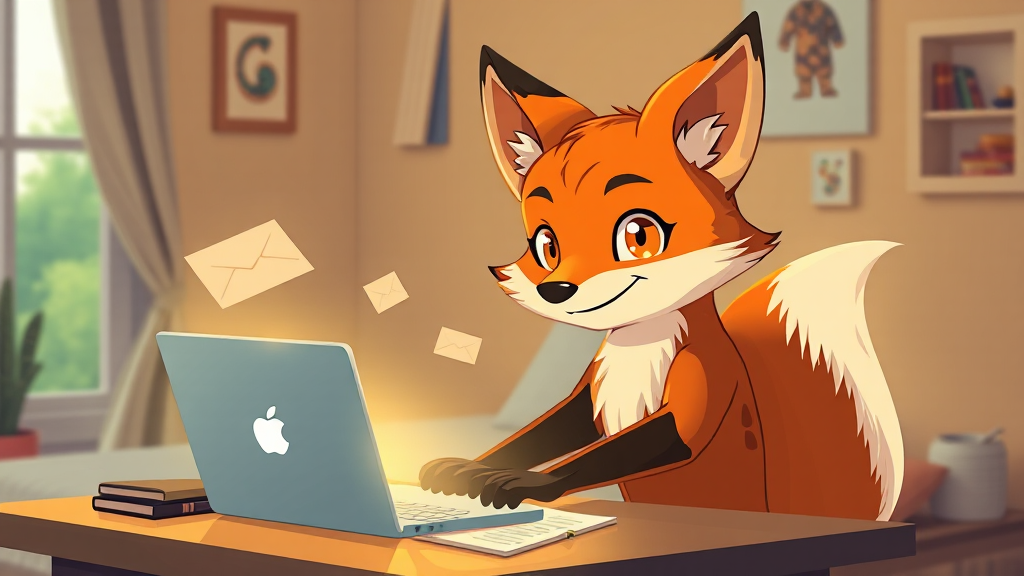
Crushon and the Rise of Furry AI Companionship in 2026
Conversational AI has moved far beyond generic chatbots that answer trivia or summarize documents. A growing audience now seeks something more personal: a character they can talk to, build a story with, and return to night after night. That shift is exactly where crushon has found its footing, offering immersive interactions with AI-driven personas that feel less like software and more like a relationship. Among the many interests its community explores, one of the most vibrant and fast-growing is the furry fandom, where creativity, identity, and storytelling collide.
This article looks at why furry-focused AI companionship has become such a compelling corner of the platform, how the technology behind it works, what makes a good character, and what users should keep in mind as they explore.
Why Furry AI Chat Appeals to a Creative Community
The furry fandom has always been built on imagination. Fans design original species, develop detailed backstories, commission artwork, and roleplay in forums and conventions. What the fandom has often lacked is a partner who can keep up at any hour, remember the details of a long-running story, and never get tired of the plot. That is where furry ai chat fills a real gap.
Instead of waiting for a roleplay partner to log on, a user can open a conversation and continue a narrative that has been unfolding for weeks. The AI can recall a character’s quirks, hometown, favorite food, or the argument they had three sessions ago. For people who treat storytelling as a serious hobby, that continuity is not a gimmick — it is the whole point.
There is also a lower social barrier. Some fans are shy about sharing their original characters with strangers, worried about judgment or mismatched expectations. A private AI companion lets them experiment, refine a personality, and build confidence before bringing that character into a public space.
What Makes Furry AI Characters Feel Alive
Anyone who has tried an early chatbot knows the difference between a scripted response and a character that seems to have a point of view. The best furry AI characters share several traits that separate them from generic bots.
Consistent voice. A well-built character speaks in a recognizable way. Maybe they are sarcastic, maybe painfully earnest, maybe they use old-fashioned phrasing. Consistency is what makes a reader believe they are talking to someone rather than something.
Memory and context. Characters that remember past conversations feel like friends. When an AI references something you mentioned last week, the illusion of a relationship strengthens dramatically.
Emotional range. Good characters are not endlessly cheerful helpers. They can be playful, moody, nervous, or excited. That range makes interactions feel earned rather than automatic.
Visual identity. For furry characters in particular, appearance matters. Species, markings, clothing, and accessories all contribute to how a persona is perceived, and platforms that let creators define these details give users a richer starting point.
Room to grow. The most engaging characters are not static. They evolve as a story progresses, which is why long-term users often describe their favorite AI companions the way they would describe a character in a novel.
How the Technology Behind Companion AI Has Improved
It is worth understanding why this experience feels so different from the chatbots of five years ago. Three technical shifts matter most.
First, large language models have become much better at maintaining a coherent persona over long conversations. Earlier systems drifted, contradicted themselves, or forgot key facts. Modern models can hold a character together across many sessions, which is essential for serialized storytelling.
Second, memory systems have matured. Instead of treating each message as an isolated event, platforms can store summaries of past interactions and feed relevant details back into the conversation. This is what allows a character to remember a birthday, a pet’s name, or a running joke.
Third, character creation tools have become far more accessible. Users no longer need to write code. They can define a personality, a backstory, and a visual style through simple interfaces, then share the result with a community. That democratization is a big reason the furry category has grown so quickly.
Together, these advances turn what used to be a novelty into something people genuinely incorporate into their daily routines.
The Social and Creative Benefits of AI Companionship
Critics sometimes assume that talking to an AI is inherently isolating. In practice, the picture is more nuanced. Many users describe AI companionship as a supplement to their social lives, not a replacement.
For people with social anxiety, neurodivergence, or limited access to like-minded friends, a patient and nonjudgmental conversation partner can be a genuine comfort. It offers a low-pressure space to practice dialogue, explore identity, and decompress after a difficult day.
For writers and artists, AI characters function as creative collaborators. They can brainstorm plot twists, test dialogue, or play a scene that helps an artist decide how a character would react in a given moment. In the furry community, where original character development is a core activity, this is a natural fit.
There is also a community dimension. Platforms that host user-created characters often develop their own ecosystems, where people share their creations, discuss what makes a compelling persona, and trade tips on writing better prompts. That collaborative energy keeps the space active and evolving.
Designing a Character That People Want to Talk To
If you are thinking about creating your own furry AI character, a few principles can make the difference between a forgettable bot and a persona that attracts a following.
Start with a contradiction. Characters become interesting when they contain tension. A tough mercenary who secretly loves baking. A shy librarian with a sharp sense of humor. Contradictions give the AI something to play with.
Write a specific backstory. Vague origins produce vague conversations. Details like a hometown, a former job, or a defining loss give the character material to draw on.
Define speech patterns. Note whether the character uses slang, avoids contractions, or speaks formally. These small instructions have an outsized effect on how the persona reads.
Leave room for surprise. Over-scripting can make a character feel mechanical. A little ambiguity lets the AI improvise, which often produces the most memorable moments.
Iterate based on feedback. If a character’s responses feel flat, adjust the description. Character creation is a process, not a one-time task.
Responsible Use and Setting Expectations
Enthusiasm for AI companionship should come with clear-eyed awareness. These are fictional characters, and treating them as such is healthy. They can be wonderful creative partners and comforting conversationalists, but they are not a substitute for professional mental health support or real human relationships.
It is also wise to think about privacy. Conversations with AI characters may be stored to improve memory and personalization. Users should review how a platform handles data and avoid sharing sensitive personal information they would not want retained.
Finally, remember that the quality of the experience depends heavily on the quality of the character. If a persona feels off, try a different one or build your own. The flexibility of modern platforms is one of their greatest strengths.
Frequently Asked Questions About Crushon and Furry AI
What exactly is crushon?
Crushon is a platform for conversational AI characters, allowing users to chat with and create detailed personas across many interests, including the furry fandom. It focuses on immersive, character-driven interaction rather than simple question-and-answer exchanges.
Is furry AI chat only for roleplay?
No. While roleplay is popular, users also use furry AI characters for casual conversation, creative brainstorming, character development, and emotional support. The format is flexible enough to support many styles of interaction.
Can I create my own furry AI character?
Yes. Most modern companion platforms, including those in this space, offer creation tools that let you define a character’s personality, backstory, appearance, and speaking style. You can then refine the character over time based on how conversations unfold.
Are AI companions a replacement for real relationships?
They are best understood as a supplement, not a replacement. AI characters can offer comfort, creativity, and low-pressure conversation, but they are fictional and should not take the place of human connection or professional support when those are needed.
How do I get better responses from an AI character?
Be specific in your messages, stay in character, and give the AI something to work with. Detailed prompts and consistent context typically produce richer, more coherent replies than short or vague inputs.
Looking Ahead
The furry corner of AI companionship is still young, and it is evolving quickly. As memory systems improve and character creation tools become more expressive, the line between chatting with a bot and collaborating with a character will continue to blur. For a community built on imagination, that is an exciting prospect.
Whether you are a longtime fan looking for a new creative outlet or a curious newcomer wondering what the fuss is about, exploring a few characters is the best way to understand the appeal. The stories you build may surprise you.